What To Bring When Traveling To India: Complete 2026 Packing Guide (Male & Female)
 Santosh Balgir
Info
Santosh Balgir
Info
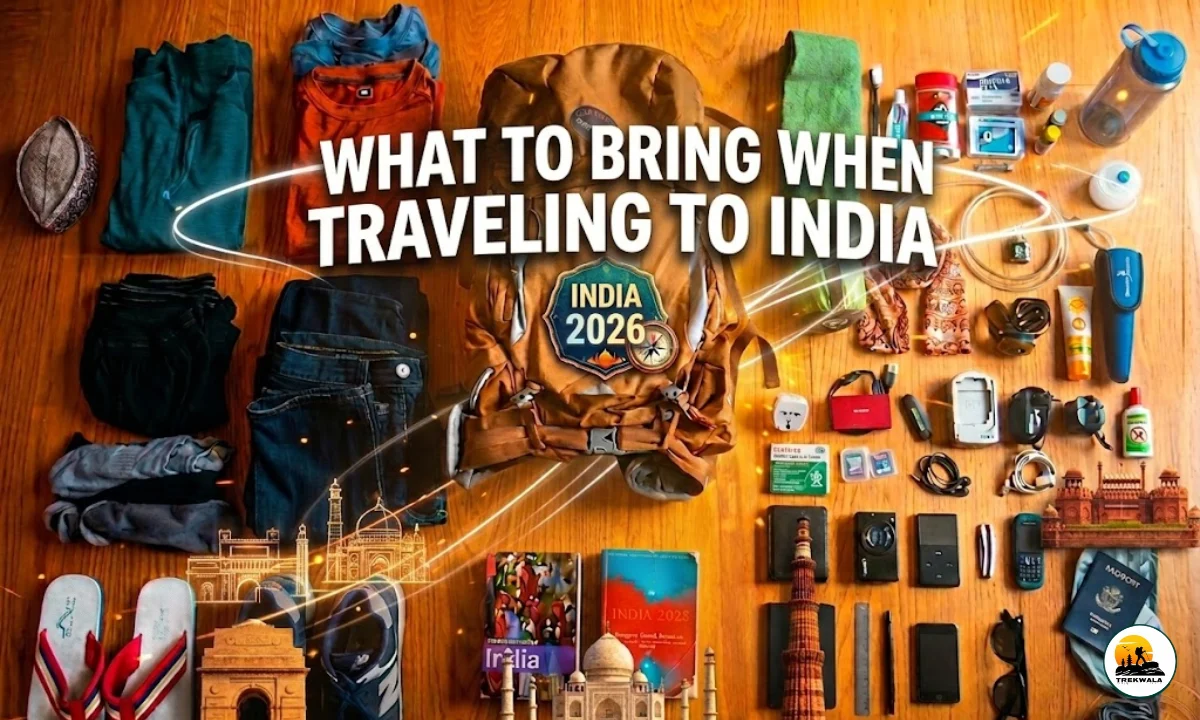
What To Bring When Traveling To India | Representative Image
You have booked your flight to India. You have your visa. Now comes the hardest question. What do you actually pack? India is not like traveling to Europe or Southeast Asia. The weather varies dramatically. Delhi can be 40°C while the Himalayas are near freezing. The culture expects modesty in most places. The food can challenge your stomach. And the crowds, dust, and noise will test your patience and your luggage.
Here is the truth. Most travelers overpack for India. They bring heavy jeans that never dry. They bring expensive jewelry that attracts attention. They bring three pairs of shoes that fill their bag. Then they arrive and realize they could have bought comfortable cotton kurtas for ₹500 ($6) and sandals for ₹300 ($3.50). The smart travelers pack light and buy the rest locally.
Also Read: Best Noctourism Places In India 2026
The Golden Rule: Pack Light, Buy Local
Before we get into specific items, understand the most important rule of packing for India.
| Approach | Pros | Cons | Best For |
|---|---|---|---|
| Pack Light + Buy Locally | Less luggage to carry, support local shops, clothes that fit the climate perfectly, cheaper than buying at home | Takes 1-2 hours on first day to shop | Most travelers, especially first-timers |
| Pack Everything at Home | No need to shop, familiar clothes, no sizing issues | Heavy luggage, wrong fabrics for climate, expensive replacement if lost | Short trips (under 7 days) or business travelers |
I have traveled to India multiple times. The first time, I packed a 65-liter backpack full of "essentials." I wore maybe 40% of what I brought. The rest stayed in the bag. The second time, I packed a 40-liter bag with just 5 days of clothes. On day one, I went to a local market in Delhi. I bought three cotton kurtas for ₹1,200 ($14), two cotton scarves for ₹300 ($3.50), and a pair of comfortable sandals for ₹500 ($6). Total cost: less than $25. Those items became my favorite travel clothes. They breathed in the heat. They dried overnight after hand washing. And they helped me blend in.
The one-bag philosophy: Aim for a 40-60 liter backpack or a 20-24 inch suitcase. If you cannot lift your bag onto a train bunk or carry it up three flights of stairs, you have packed too much. Indian train stations often have no escalators. Budget hotels may have no elevators. Your back will thank you for packing light.
Clothing: What To Wear in India (By Season & Region)
India has multiple climate zones. What works in Goa (humid beach) does not work in Ladakh (cold desert). Here is a breakdown.
| Region | Season | Temperature | Recommended Clothing | Avoid |
|---|---|---|---|---|
| North India (Delhi, Rajasthan, Agra) | Winter (Nov-Feb) | 5°C to 20°C | Layers: t-shirt + sweater + light jacket, jeans, scarf | Heavy wool coats (too bulky) |
| North India | Summer (Mar-Jun) | 30°C to 45°C | Cotton/linen long pants, loose long-sleeve shirts, wide hat, sunglasses | Shorts, sleeveless tops, synthetic fabrics |
| South India (Kerala, Tamil Nadu, Karnataka) | Year-round | 25°C to 35°C (humid) | Cotton kurtas, loose pants, maxi dresses, flip-flops | Jeans (too hot, slow to dry) |
| Himalayan Region (Himachal, Uttarakhand, Ladakh) | Summer (May-Sep) | 10°C to 25°C | Layers: thermal base, fleece, windproof jacket, hiking pants | Cotton (does not insulate when wet) |
| Himalayan Region | Winter (Oct-Apr) | -10°C to 10°C | Down jacket, thermal layers, wool socks, waterproof boots, gloves, beanie | Thin jackets, sneakers |
| Mumbai/Goa (Coastal) | Year-round | 25°C to 35°C (high humidity) | Light cotton, swimwear (on beaches only), cover-up for walking to beach | Heavy fabrics, leather shoes (mold risk) |
The biggest mistake travelers make is bringing shorts and tank tops. In Goa's beach areas, shorts are fine. In Kerala's backwaters, maybe. But in Delhi, Jaipur, Varanasi, or any temple town, shorts will get you stared at. Not because Indians are judgmental. Because bare legs are simply not common outside of beaches. You will be more comfortable physically (sun protection, mosquito protection) and socially (less unwanted attention) if your shoulders and knees are covered.
The scarf is your most important item: A lightweight cotton or linen scarf (often called a dupatta or pashmina) has at least five uses:
- Cover your head and shoulders when entering temples, mosques, or gurudwaras
- Protect your face from dust and pollution during rickshaw rides
- Light blanket on overnight trains or air-conditioned buses
- Towel in an emergency
- Fashion accessory to dress up simple clothes
Buy one at home before you go, or buy your first one at Delhi airport (expensive) or a local market (cheap). Then buy two more during your trip because you will lose one or want different colors.
Complete India Packing List (2026 Edition)
Here is a master table organized by category. Adjust quantities based on trip length (7 days vs. 30 days).
| Category | Item | Quantity (7 days) | Quantity (30 days) | Notes |
|---|---|---|---|---|
| Clothing | Loose cotton pants / leggings | 2 | 4 | Light colors reflect heat, dark hides dust |
| Long-sleeve cotton shirts | 2 | 4 | Protects arms from sun and mosquitoes | |
| Short-sleeve cotton t-shirts | 2 | 4 | For layering under long sleeves | |
| Kurtas / tunics (buy locally) | 0 (buy there) | 2 (bring + buy) | ₹500-1500 each, incredibly comfortable | |
| Long skirt or maxi dress (women) | 1 | 2 | Covers knees, breathable | |
| Light sweater or hoodie | 1 | 1 | For AC trains, planes, and cool evenings | |
| Light jacket / windbreaker | 1 | 1 | Required for North India winter or AC | |
| Down jacket (Himalayas only) | 0 or 1 | 1 | Rent in Manali/Leh if possible (saves space) | |
| Sleepwear | 1 set | 2 sets | Loose cotton, not expensive | |
| Underwear (quick-dry fabric) | 7 | 14 | Hand wash in hotel sink, dries by morning | |
| Bras (women) | 2-3 | 4-5 | Sports bra recommended for comfort | |
| Socks (quick-dry) | 3 pairs | 6 pairs | Thicker for Himalayas, thin for south | |
| Swimsuit | 1 | 1 | Only if visiting Goa, Kerala, or pool hotels | |
| Footwear | Comfortable walking shoes / sneakers | 1 pair | 1 pair | Dark color (dust hides), broken in before trip |
| Sandals / flip-flops (sturdy) | 1 pair | 1 pair | Easy to remove for temples, easy to clean | |
| Hiking boots (Himalayas only) | 0 or 1 | 1 pair | Only if trekking. Otherwise sneakers fine. | |
| Accessories | Cotton scarf / dupatta | 2 | 3 | Non-negotiable. Buy extras in India. |
| Wide-brim sun hat | 1 | 1 | Protects face and neck from intense sun | |
| Sunglasses (polarized) | 1 | 1 | Essential for reducing glare and dust eye | |
| Belt | 1 | 1 | Loose pants may need it after laundry shrinkage | |
| Health & Hygiene | ||||
| Pain reliever (Paracetamol / Ibuprofen) | 1 strip | 2 strips | Available in India cheaply | |
| Shampoo & conditioner (travel size) | 1 each | Refillable | Easily available in India | |
| Tech | Universal power adapter (Type C/D/M) | 1 | 1 | India uses 230V, 50Hz, round pins |
| Power bank (10,000 mAh minimum) | 1 | 2 | Long train journeys, power cuts are common | |
| Phone charger + extra cable | 1 set + 1 spare | 1 set + 2 spares | Cables break or get lost | |
| Headphones (noise-cancelling recommended) | 1 | 1 | India is LOUD. Trains, traffic, temples. | |
| Camera + charger + spare battery | Optional | Optional | Phone cameras are good now | |
| E-reader (Kindle) or books | 1 | 1 | Download before you go (WiFi may be slow) | |
| Documents & Money | Passport (6+ months validity) | 1 | 1 | Keep digital copy in email/cloud |
| Indian e-Visa (printed copy) | 2 copies | 2 copies | Required for entry, keep with passport | |
| Travel insurance policy (printed + digital) | 1 copy | 1 copy | Do not skip travel insurance for India | |
| Driver's license (for ID) | 1 | 1 | Backup ID if passport is held at hotel | |
| Debit/credit cards (Visa/Mastercard) | 2 cards | 2 cards | Keep in separate places | |
| Cash (Indian Rupees - INR) | ₹5,000-10,000 | ₹15,000-20,000 | ATMs exist but sometimes empty or broken | |
| USD or EUR (emergency backup) | $100-200 | $200-300 | Can exchange at airports or banks | |
| Money belt (under clothing) | 1 | 1 | For passport, extra cards, large cash | |
| Miscellaneous | Reusable water bottle (with filter) | 1 | 1 | Sawyer or LifeStraw recommended |
| Microfiber travel towel (quick-dry) | 1 | 2 | Hotel towels can be thin or scratchy | |
| Daypack / small backpack (15-20L) | 1 | 1 | For daily essentials, leave main bag at hotel | |
| Padlock (for hostel lockers, train bags) | 1-2 | 2 | TSA lock recommended | |
| Earplugs (silicone or foam) | 2 pairs | 4 pairs | For sleeping through traffic, train noise | |
| Sleep mask | 1 | 1 | Streetlights and early sunrise will wake you | |
| Headlamp or small flashlight | 1 | 1 | Power cuts are common, even in hotels | |
| Laundry wash sheet or small detergent | 3-5 sheets | 10 sheets | Hand wash clothes in sink | |
| Clothesline (travel size, bungee type) | 1 | 1 | Many hotels lack drying racks | |
| Ziplock bags (various sizes) | 5-10 | 20 | For wet clothes, snacks, electronics protection | |
| Small notebook and pen | 1 | 1 | For notes, addresses, journaling | |
| Gifts from home (optional) | Small items | Small items | Postcards, keychains, candy. Locals appreciate. |
Look at the quantity differences between 7 days and 30 days. Notice that many items do not double. Underwear doubles. Socks double. But jackets, shoes, scarves, tech items remain the same. That is the secret to long-term travel. Pack for one week. Do laundry every week. Do not pack for 30 days. You will hate yourself at the airport.
The water filter is not optional: Tap water in India is not safe for drinking for most travelers. Bottled water (₹20 per liter) creates plastic waste and adds up cost. A reusable bottle with a built-in filter (Sawyer, LifeStraw, Grayl) pays for itself in 2-3 weeks. Fill from any tap. Filter as you drink. No plastic. No worry about "is this water safe?"
Also Read: Best Solo Travel Destinations For Women In India 2026
What NOT To Bring to India (Leave These At Home)
Just as important as what to bring is what to leave behind.
| Item | Why To Leave It | Better Alternative |
|---|---|---|
| Expensive jewelry | Attracts thieves, gets lost, unnecessary attention | Cheap costume jewelry or none. Buy bangles in India for ₹100. |
| Multiple pairs of jeans | Heavy, take days to dry, too hot for most of India | 1 pair dark jeans max. Loose cotton pants instead. |
| Expensive watch | Can be stolen from hotel room or in crowd | Cheap Casio or no watch (phone has time). |
| Laptop (unless working) | Heavy, risk of theft, WiFi is slow anyway | Tablet or smartphone is enough for travel needs. |
| Large amounts of cash | Risk of loss or theft | Use ATMs (₹10,000-20,000 limit per day). Keep backup in USD/GBP/EUR. |
| Heavy guidebooks | Heavy, outdated quickly | Download PDFs or use apps (Lonely Planet, Google Maps offline). |
| Formal wear / expensive clothes | Dust and pollution will ruin them | Casual, modest, washable clothes only. |
| Hair dryer / straightener | Voltage issues (220V), heavy, many hotels have them | Air dry hair. Ask hotel if needed. |
| Tents or camping gear | Too heavy, can be rented locally | Rent in Manali, Leh, or Rishikesh. |
| Expensive camera gear | Visible target for theft, heavy to carry | Phone camera is good. Bring one compact camera maximum. |
The laptop is the most debatable item. If you must work remotely, bring a laptop. But know that hotel WiFi in India is often slow (2-10 Mbps). Video calls will lag. Download large files before arriving. And never leave your laptop unattended in a hotel room. Use the safe or carry it with you. Many travelers buy a cheap second-hand laptop for India trips. If it gets stolen, you lose data but not a ₹1,00,000 machine.
Why no nice clothes: India is dusty. Really dusty. The air in Delhi, Jaipur, and Agra has fine particles that settle on everything. Your black shirt will look gray by 4 PM. Your white shoes will be brown. Your expensive leather bag will get scratched. Bring clothes that you do not mind ruining. Save your designer items for home.
Health & Safety Essentials (Do Not Skip These)
Your health is the most important factor in enjoying your trip. Here is what experienced travelers prioritize.
| Priority Item | Why Critical | Where To Get In India |
|---|---|---|
| Travel insurance with medical coverage | Covers hospitalization, evacuation, lost luggage. India has good private hospitals but they require upfront payment. | Buy before you leave (World Nomads, SafetyWing, Allianz) |
| Vaccinations (updated) | Hepatitis A, Typhoid, Tetanus, Polio, Japanese Encephalitis (depending on region) | At home, 4-6 weeks before travel |
| Anti-diarrheal (Loperamide) | "Delhi Belly" is common. You want to stop diarrhea immediately, not suffer on a 12-hour train. | Available at any pharmacy (₹50-100 per strip) |
| Oral Rehydration Salts (ORS) | Dehydration from heat + diarrhea can be dangerous. ORS replaces electrolytes quickly. | Any pharmacy (₹10-20 per sachet) |
| Mosquito repellent | Prevent dengue, chikungunya, malaria (depending on region and season) | Odomos brand (₹100-200) widely available |
| Azithromycin (antibiotic) | For bacterial diarrhea that does not resolve in 2-3 days. Prescription needed in most countries, but Indian pharmacies may sell without. | Carry from home with doctor's prescription |
| Hand sanitizer (pocket size) | Many places to eat have no hand washing facilities. Use before every meal. | Any grocery or pharmacy (₹50-100) |
| Face mask (N95 or KN95) | Air pollution in North India (Oct-Feb) can be hazardous. Fine particles cause respiratory issues. | Buy at home or at Delhi airport |
Do not be the traveler who skips travel insurance to save $50. A friend of mine broke his leg hiking in the Himalayas. The helicopter evacuation alone cost $15,000. His $80 travel insurance policy covered all of it. Without insurance, he would have been airlifted to a local hospital with basic facilities and a massive bill.
On medications: Most medicines that require a prescription in the US, UK, or Europe are available over the counter in India. Antibiotics. Painkillers. Even some anxiety medications. Pharmacies (chemists) are everywhere. However, quality varies. Stick to chain pharmacies (Apollo, MedPlus, Netmeds) for better quality control. And always check expiration dates before buying.
The air pollution reality: Between October and February, North India (Delhi, Agra, Lucknow) experiences severe smog. The Air Quality Index (AQI) often exceeds 300 (hazardous). Travelers with asthma or respiratory issues should bring N95 masks and limit outdoor time on high-smog days. Do not jog outside. Do not open hotel windows facing main roads. South India and the Himalayas have much cleaner air.
What To Buy In India (Save Luggage Space At Home)
Many items are cheaper and better in India. Leave space in your bag for these purchases.
| Item | Approximate Cost (INR) | Where To Buy | Why Buy There |
|---|---|---|---|
| Cotton kurtas / tunics | ₹400-1,500 | Local markets (Sarojini Nagar, Delhi; Janpath; Jaipur bazaars) | Breathable, colorful, cheap, respectful |
| Cotton scarves / dupattas | ₹100-500 | Any street market | Essential accessory, great souvenirs |
| Leather sandals / chappals | ₹300-1,000 | Rajasthan (Jaipur, Jodhpur) | Good quality, cheap, comfortable |
| Pashmina / cashmere shawls (real) | ₹2,000-10,000 | Kashmir (or Srinagar shops in Delhi) | Beautiful, warm, luxury gift |
| Jewelry (silver, beads, semi-precious) | ₹200-5,000 | Rajasthan (Jaipur gems, silver in Pushkar) | Unique designs, cheap compared to West |
| Ayurvedic products / skincare | ₹100-1,000 | Kerala (Ayurvedic centers) or Himalaya brand stores | Natural ingredients, effective, cheap |
| Spices (saffron, cardamom, pepper) | ₹500-5,000 | Kerala (spice markets) or Delhi (Khari Baoli) | Fresh, aromatic, cheaper than at home |
| Tea (Darjeeling, Assam, Nilgiri) | ₹200-2,000 | Tea estates (Darjeeling) or specialty shops | World-class tea at local prices |
| Handicrafts (wood, marble, textiles) | ₹500-10,000 | Rajasthan, Uttar Pradesh (Agra marble), Gujarat | Unique home decor, support artisans |
Do not buy "antiques." Real antiques over 100 years old require export permits. Many shops sell "antique-style" items that are actually new. That is fine. Just do not pay antique prices.
Bargaining is expected: In tourist markets, the first price quoted is 2-3 times the actual value. Bargain politely. Offer 30-40% of the asking price. Settle around 50-60%. If the seller says "final price" and you walk away and they call you back, you could have gone lower. Practice. It takes time. Watch how Indian women bargain – they are friendly but firm.
Where not to bargain: Government emporiums (state-run handicraft stores), fixed-price stores, supermarkets, restaurants, and pharmacies. Bargaining there is rude and ineffective.
Packing For Different Types of Travelers
Your packing list changes based on your travel style.
| Traveler Type | Key Packing Priorities | What To Add | What To Remove |
|---|---|---|---|
| Solo Female Traveler | Safety, modesty, discretion | Pepper spray (check airline rules), personal alarm, fake wedding ring (optional), extra scarf | Expensive jewelry, revealing clothes |
| Backpacker / Hostel Traveler | Lightweight, lockable, quick-dry | Padlock (for lockers), earplugs, sleep mask, microfiber towel, clothesline | Expensive items, multiple shoes, heavy books |
| Luxury / Resort Traveler | Comfort, style, resort-specific | Resort wear, nicer sandals, power adapter (resorts have European plugs often), nice sunscreen | Backpacking gear, budget items |
| Business Traveler | Professional appearance, tech, efficiency | Business casual clothes (light wool blends), laptop, portable WiFi hotspot, international driving permit | Revealing clothes, heavy backpack, camping gear |
| Family with Kids | Medicines, entertainment, snacks | Child-specific medicines (dosing), diapers (buy in India to save space), tablets with downloaded content, snacks from home | Multiple toys (buy cheap ones in India), heavy strollers (umbrella stroller only) |
| Senior Traveler | Comfort, health, mobility | Comfortable walking shoes (broken in), all prescription meds with extras, compression socks (for flights), foldable walking stick if needed | Heavy backpack (use rolling suitcase), multiple location changes, aggressive itinerary |
India is generally safe, but unwanted attention happens. Packing modestly reduces stares but does not eliminate them. The most useful item in your bag will be confidence and awareness. Keep a whistle on your keychain. Share your location with someone at home. Avoid walking alone after 9 PM in quiet areas. And if someone is making you uncomfortable, be loud. Indian people will step in to help if they hear a woman in distress. Do not suffer in silence.
For families: Diapers, baby food, and formula are available in major cities (Apollo Pharmacy, FirstCry, Amazon India). Do not pack a 30-day supply. Pack 5-7 days and restock. You will need that space for souvenirs. Also, consider bringing a small umbrella stroller instead of a full-size one. Indian sidewalks are uneven. Narrow strollers work better.
Frequently Asked Questions (Packing for India 2026)
Q: Do I need to bring toilet paper?
A: Yes. Public restrooms (even at some tourist sites) often have no toilet paper. Carry a roll or tissues in your daypack at all times.
Q: What is the dress code for temples?
A: Shoulders and knees must be covered. Remove shoes before entering. Some temples (like Guruvayur in Kerala) also require men to remove shirts (worn only a mundu/dhoti). Leave leather items (belt, wallet, bag) outside Jain temples.
Q: Can I drink tap water if I use a filter bottle?
A: Yes, a good filter bottle (Sawyer, LifeStraw, Grayl) removes bacteria and protozoa from tap water. However, it may not remove heavy metals or viruses. In most tourist areas, tap water is treated but old pipes may introduce contamination. Filter bottles are safe for most travelers but not 100% guaranteed. For complete safety, use bottled water or boil water for 5 minutes.
Q: Is it safe to wear shorts in India?
A: In Goa beach areas and some parts of South India (Varkala, Gokarna), shorts are fine. In North India (Delhi, Jaipur, Varanasi, Agra), shorts will attract stares. For women: long pants or skirts are more comfortable physically and socially. For men: shorts are less problematic but knee-length pants are better for temples.
Q: Should I bring cash or rely on cards/UPI?
A: Bring cash. UPI (India's digital payment system) is amazing but requires an Indian bank account or a linked international card (not always reliable for tourists). Cards work at ATMs, hotels, and major restaurants. But street vendors, auto-rickshaw drivers, small shops, and many market stalls take cash only.
Q: What about shoes for the Taj Mahal?
A: You must remove shoes or wear disposable shoe covers (provided at entrance, small fee). The marble gets hot in summer (40°C+). Wear socks or bring thick socks. Otherwise your bare feet will burn.
Q: How do I handle laundry in India?
A: Most hotels offer laundry service (₹50-200 per item). Or find a local dhobi (laundry shop) – they charge ₹20-50 per item and return clothes folded within 24 hours. For budget travelers, hand wash in sink with travel detergent or shampoo. Quick-dry fabrics (cotton, linen, synthetics) dry overnight.
Q: What is the one item first-time travelers always forget?
A: Earplugs. India is loud. The 5 AM temple bells. The 3 AM train announcements. The honking traffic outside your budget hotel. The snoring in your hostel dorm. Earplugs are worth their weight in gold.
Final Pre-Departure Checklist (Last 7 Days)
Here is what to do in the week before you leave.
| Days Before Departure | Action | Why It Matters |
|---|---|---|
| 7 days | Check passport validity (6+ months from arrival date) | Airlines can deny boarding if passport expires soon |
| 7 days | Print e-Visa (2 copies) and keep digital copy in email | Immigration requires physical copy in many airports |
| 7 days | Buy travel insurance if not already purchased | Medical evacuation can cost $50,000+ |
| 7 days | Download offline Google Maps for cities you will visit | Mobile data may be slow or unavailable |
| 7 days | Download movies, podcasts, books to phone/tablet | WiFi is slow; streaming is frustrating |
| 5 days | Notify bank and credit card company of travel dates | Card may be frozen for suspected fraud |
| 5 days | Withdraw some USD/EUR/GBP (for emergency backup) | ATMs sometimes broken or empty |
| 3 days | Pack bag. Then remove 20% of items. You will not need them. | Overpacking is the #1 regret of travelers to India |
| 2 days | Charge all electronics. Pack power bank fully charged. | Power cuts are common; charged devices keep you connected |
| 1 day | Check flight status. Confirm hotel booking. | Last-minute changes are common in India |
| Day of travel | Keep passport, visa, cash, phone in your small daypack (not checked luggage) | If checked bag is lost, you still have essentials |
The "remove 20% of items" step is serious. Lay out everything you think you need. Then put back 20%. You will not wear that third pair of shoes. You will not read those three books (bring a Kindle). You will not need that second jacket. India is not Antarctica. If you forgot something important, you can buy it there. The only things you cannot buy are prescription medicines and your passport.
One last truth: India will challenge you. The heat. The noise. The crowds. The food. The dust. But it will also reward you. The kindness of strangers. The colors of a Rajasthan sunset. The silence of a Himalayan morning. The taste of chai from a roadside stall. Pack light. Pack smart. Leave your expectations at home. And bring an open mind. That is the most important thing you can pack.



Categories
- Domestic 33
- News 9
- Info 8
- Budget Travel 5
- popular 5
- International 3
- Upcoming 1
Share This Post