Top 10 Less Crowded Tourist Places In South India For A Peaceful 2026 Family Getaway
 Santosh Balgir
Domestic
Santosh Balgir
Domestic
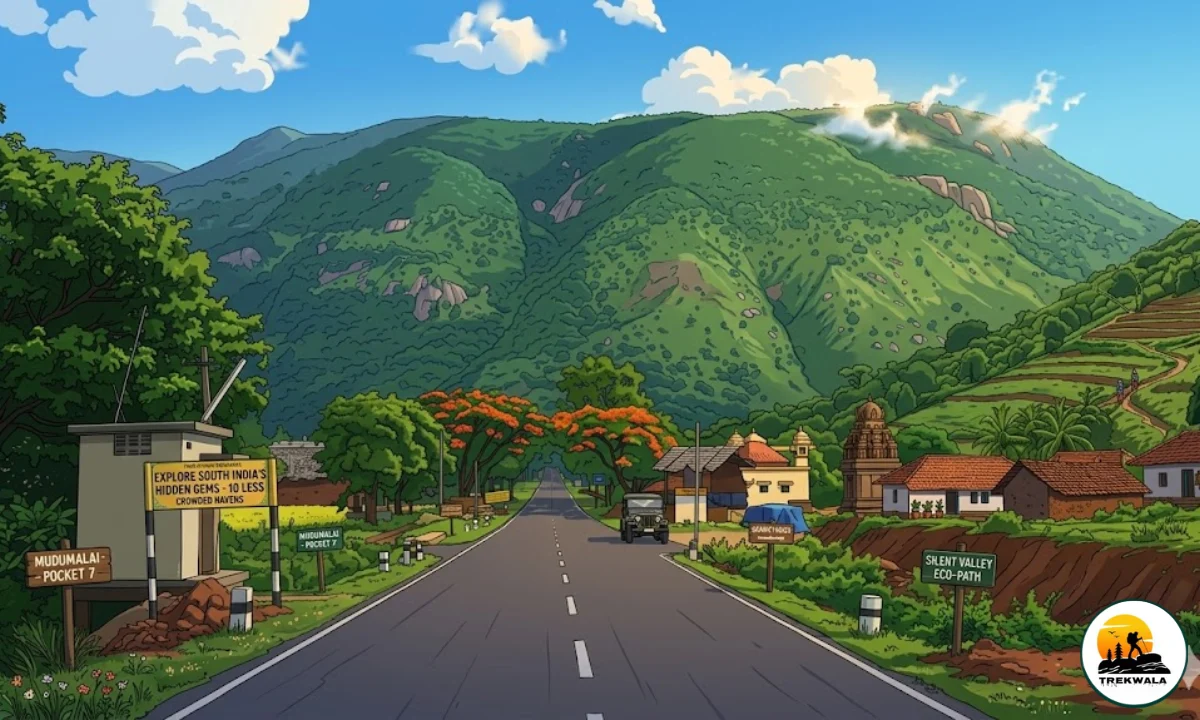
Top 10 Less Crowded Tourist Places In South India
Planning a South India trip but worried about the insane crowds at Ooty, Munnar, and Goa? Do not worry bhai. You are not alone. Travel data from early 2026 shows that more and more families are tired of standing in queues and fighting for parking at popular hill stations. Instead, they are searching for “hidden gems,” “offbeat places,” and “less crowded alternatives” where they can actually relax.
South India has plenty of such peaceful spots from quiet beaches in Karnataka that rival Goa without the party scene to hidden hill stations in Tamil Nadu and Kerala where you can have tea estates almost to yourself.
In this blog post i will will discuss top 10 less crowded places based on real public opinions from Twitter and travel forums in 2025-2026. You get entry details, best time to visit, and honest feedback from families who have already escaped the tourist rush.
Key Takeaways From This Guide
- Valparai in Tamil Nadu is the top pick with 40 hairpin bends and wildlife sightings including elephants and Nilgiri Tahr
- Gokarna offers peaceful beaches like Om Beach and Half Moon Beach without Goa’s loud party scene
- Araku Valley in Andhra Pradesh is called the “Switzerland of the South” with a scenic Vistadome train ride through 46 tunnels
- Gavi in Kerala has controlled entry limits so you never feel crowded inside the Periyar Tiger Reserve
- Vattakanal near Kodaikanal gives you backpacker vibes and stunning views without the tourist rush
- Kotagiri is a quieter alternative to Ooty with amazing viewpoints like Kodanad Point
- Bekal in North Kerala offers the same backwater beauty as Alleppey but with 90% fewer tourists
- Agumbe is called the “Cherrapunji of the South” with rainforests and breathtaking sunset views
- Most of these spots have entry fees between Rs 20 to Rs 150 and offer homestays instead of big resorts
- October to March is the best season for most places, but some like Araku Valley are beautiful even in monsoon
Find Your Perfect Offbeat Spot Based On Your Travel Style
Every traveler is different yaar. Some want quiet beaches. Some want misty hills with tea gardens. And some want wildlife and forests without the crowds. Use this filter to find the right hidden gem for your 2026 trip.
Valparai, Tamil Nadu
A tea-estate hill town with 40 hairpin bends on the way. Spot wild elephants and Nilgiri Tahr in the Anamalai Tiger Reserve. Called the best kept secret of the Nilgiris with far fewer crowds than Munnar or Ooty.
Gokarna, Karnataka
Often called the calmer alternative to Goa. Om Beach, Kudle Beach, and Half Moon Beach offer soft sands and sunsets with far fewer tourists. Perfect blend of spiritual temples and laid-back beach vibe.
Araku Valley, Andhra Pradesh
A hidden gem in the Eastern Ghats with coffee plantations, tribal culture, waterfalls, and caves. The Vistadome train ride through 46 tunnels is an experience in itself. Called a “soul seeker’s paradise.”
Gavi, Kerala
A pristine eco-tourism spot inside the Periyar Tiger Reserve. Controlled entry means limited visitors. Perfect for trekking, bird watching, and peaceful forest stays. No crowds even during peak season.
Vattakanal (Vatta), Tamil Nadu
Nicknamed “Little Israel” or “Mini Israel” for its backpacker vibe. Offers serene views, cozy cafes, and a chill atmosphere on the Western Ghats edge. Perfect for slow travel and nature lovers.
Kotagiri, Tamil Nadu
A quieter alternative to Ooty with stunning viewpoints like Kodanad Point. Trekking trails and a better connect with nature. Travelers recommend it for those who want to “rush to Ooty” but stay somewhere peaceful.
Bekal, Kerala
Same backwater beauty as Alleppey but with 90% fewer tourists. The Bekal Fort is the largest and best-preserved fort in Kerala. Valiyaparamba Backwaters offer peaceful canoe rides without the houseboat rush.
Agumbe, Karnataka
Known as the “Cherrapunji of the South” for its heavy rainfall. This hamlet in the Western Ghats offers lush rainforests, waterfalls, and stunning sunset views from Agumbe Ghat. Perfect for monsoon travel.
Tharangambadi (Tranquebar), Tamil Nadu
A forgotten Danish colony on the Coromandel Coast. Known as the “Land of the Singing Waves.” Walk through the 17th-century Dansborg Fort and enjoy quiet beaches with zero commercialization.
Yana Caves, Karnataka
Otherworldly rock formations and limestone caves that look “out of this world.” Mentioned in offbeat South India reels as having “back borders like Alapi with no crowd.” Unique geology and quiet trekking.
Pro tip from travelers who visited in 2025-2026: The best way to enjoy these offbeat spots is to stay in homestays or eco-resorts rather than big hotels. Local hosts give you authentic food, insider tips on hidden trails, and a much more personal experience. Most of these places are best visited during weekdays to avoid even the limited weekend crowd from nearby cities.
Detailed Guide To The Top 5 Less Crowded Places
Based on social media buzz, traveler reviews, and expert recommendations from 2025-2026, here are the top 5 places with complete details for your trip planning.
1. Valparai, Tamil Nadu: The Nilgiris Best Kept Secret
While everyone rushes to Ooty and Munnar, Valparai sits quietly at 3,500 feet altitude surrounded by the Anamalai Tiger Reserve. The drive itself is an adventure with 40 hairpin bends. Unlike Ooty, Valparai has no malls and no cinema halls — just endless carpets of green tea estates and fresh mountain air.
Wildlife sightings are common here. Keep your cameras ready because it is very normal to spot the endangered Nilgiri Tahr or a family of wild elephants crossing the road. The Nallamudi Viewpoint is a short walk through tea gardens that opens up to a breathtaking view of the Anamalai range.
Best time to visit: September to May. The weather stays pleasant throughout. Avoid heavy monsoon months from June to August as roads can get slippery.
Where to stay: Private tea estate bungalows are the best option. Your only neighbors will be the whistling thrushes and the rustle of tea leaves. Budget around Rs 2500 to Rs 5000 per night for a good homestay.
What travelers are saying: Public buzz on X calls Valparai a "quiet alternative to busier hill stations" with "panoramic views of tea estates and refreshing mountain air." One user said it is "perfect for nature lovers who want to escape the chaos."
2. Gokarna, Karnataka: Peaceful Beaches Without The Goa Party Scene
If your family loves the ocean but hates the loud party scene and overcrowded beaches of North Goa, Gokarna is exactly what you are looking for. It is a temple town that turned into a beach paradise but managed to keep its soul intact. The main beaches are Om Beach, Kudle Beach, Half Moon Beach, and Paradise Beach.
The best part is that Half Moon Beach and Paradise Beach are only accessible by boat or a short trek. This keeps them incredibly quiet even during peak season. If you are lucky, you will spot dolphins jumping in the Arabian Sea during your morning boat ride.
Best time to visit: October to March. The weather is pleasant and the sea is calm. Avoid April and May because it gets very hot.
Entry fees and activities: Beach trekking is free. Boat rides to remote beaches cost around Rs 300 to Rs 500 per person. Water sports like kayaking and banana boat rides are available at Om Beach for Rs 500 to Rs 1500.
What travelers are saying: Recent opinions on X call Gokarna "the less crowded version of Goa." One traveler said it is perfect for a road trip from Mangalore with stops at Udupi or Murdeshwar. People admire it for being a peaceful coastal escape with water sports but without the party crowds.
3. Araku Valley, Andhra Pradesh: A Hidden Gem In The Eastern Ghats
Araku Valley is only 85 km from Visakhapatnam but feels like a different world. The scenic Vistadome train ride from Vizag to Araku is an experience in itself — you pass through 46 tunnels and countless bridges with panoramic views of the Eastern Ghats. The Shimliguda railhead on this route is the highest in Asia.
Once you reach Araku, you are greeted by coffee plantations, tribal culture, the famous Borra Caves, and stunning waterfalls. The valley is home to 19 aboriginal tribes, adding a rich cultural layer to your trip. Coffee lovers will enjoy the fresh Araku coffee, which is gaining national recognition.
Best time to visit: October to March for pleasant weather. Monsoon from July to September makes the valley lush green but some roads may be tricky.
Key attractions: Borra Caves (entry Rs 60), Tribal Museum (entry Rs 20), Padmapuram Gardens, and Katiki Waterfalls. The Vistadome train ticket costs around Rs 500 to Rs 800 depending on the class.
What travelers are saying: Araku Valley is frequently called a "soul seeker's paradise" that remains blissfully uncrowded. Travelers admire the untouched nature and the unique train journey. One user called it a "strong favorite for those avoiding Western Ghats crowds."
4. Gavi, Kerala: Pristine Eco-Tourism With Controlled Entry
Gavi is not your typical tourist spot. It is located inside the Periyar Tiger Reserve and has controlled entry limits. This means only a limited number of visitors are allowed each day. The result is a pristine forest experience with zero crowd pressure.
You can do trekking, bird watching, and jungle safaris here. The landscape includes forests, lakes, and rolling hills. Accommodation is eco-friendly and basic, which adds to the charm. This is not a place for luxury seekers but for nature lovers who want authentic forest stays.
Best time to visit: October to April. The reserve remains closed during monsoon season from June to September.
How to book: You need to book your Gavi trip through the Kerala Forest Development Corporation. A typical package includes jungle safari, trekking, and overnight stay. Budget around Rs 3000 to Rs 5000 per person for a 2-day package.
What travelers are saying: Recent mentions on X highlight Gavi's serene, regulated environment ideal for peaceful forest stays. One user said it is "perfect for those who want to disconnect from the world and immerse in nature."
5. Vattakanal (Vatta), Tamil Nadu: The Backpacker's Paradise Near Kodaikanal
Vattakanal, often called "Little Israel" or "Mini Israel," sits on the edge of the Western Ghats near Kodaikanal. While Kodaikanal town can get crowded, Vattakanal remains a peaceful haven for backpackers and slow travelers. The village has a distinct vibe — cozy cafes serving good food, stunning valley views, and a community of travelers from around the world.
The main attraction is the dramatic scenery. You get the same misty hills and pine forests as Kodaikanal but without the tourist rush. The famous Dolphin's Nose viewpoint is nearby, offering a breathtaking view of the plains below.
Best time to visit: October to May. The weather is cool and pleasant. Avoid monsoon as the trails get slippery.
Where to stay: Budget homestays and hostels are the norm here. Expect to pay Rs 800 to Rs 2000 per night. Many places offer dormitory beds for solo travelers.
What travelers are saying: Vattakanal is praised for its serene views, cafes, and chill atmosphere. One traveler called it a "low-key hill escape with dramatic scenery." Another said it is "perfect for those who want to relax, read books, and enjoy slow travel."
Additional Hidden Gems Mentioned By Travelers In 2025-2026
Beyond the top 5, here are other offbeat spots that received positive buzz on social media and travel forums:
- Sakleshpura, Karnataka — Best offbeat destination with lush greenery and coffee estates. Perfect for a weekend drive from Bangalore.
- Malaya Marutha Waterfalls (Charmadi Ghat) — A hidden gem where "most people pass by, few stop." The waterfall is pristine and uncrowded.
- Kurinjal Peak (Kudremukha National Park) — Serene treks with shola forests and panoramic hill views. Requires a guide and forest permission.
- Maranatty Falls (Attappadi, Kerala) — Pristine waterfall with short treks or jeep rides. Very few tourists know about this spot.
- Aanachadikuth Waterfalls (Idukki, Kerala) — Breathtaking and tranquil, highlighted as a 2026 must-visit by travel influencers.
- Kilavarai village (near Kodaikanal) — A serene agrarian village at high altitude, called the "last village" of Kodaikanal. Perfect for a day trek.
- Nelliyampathy, Kerala — An orange orchard retreat with 52 hairpin bends. The Seetharkundu viewpoint offers stunning views.
- Gandikota, Andhra Pradesh — Known as the "Grand Canyon of India." Features a 13th-century fort, stunning gorge views, and riverside camping.
- Chettinad, Tamil Nadu — Famous for grand historic mansions, temples, and distinctive spicy cuisine. A rich cultural experience with very few tourists.
- Ponmudi, Kerala — Hidden Western Ghats corner with surreal landscapes and minimal tourism. Ideal for those seeking hideouts from city life.
What Travelers Are Admiring Most In 2026
Based on real public opinions shared on X (formerly Twitter) and travel forums, here is what people love about these less crowded destinations:
Peace and Solitude: The number one reason travelers choose these spots. They want to enjoy nature without queues, honking cars, or commercialization. One user described discovering an "untouched paradise" in South India and spending days "doing absolutely nothing" — a common sentiment.
Biodiversity and Eco-Vibes: Wildlife sightings, dense forests, tea and coffee estates, and waterfalls are major draws. Families with kids especially appreciate the educational value of these trips.
Authenticity: Travelers love the blend of local culture, temples, and sustainable stays. Homestays are preferred over big resorts because they offer authentic food and personal interactions with hosts.
Accessibility with Adventure: Short treks, jeep rides, or scenic drives that feel rewarding but not exhausting. Most of these spots are accessible by regular cars, though some require a bit of walking.
Value for Money: These offbeat destinations are generally much cheaper than popular tourist spots. You get a feeling of exclusivity without paying premium prices. Many travelers compare them favorably to pricier crowded alternatives.
Related Search Keywords Insights
Data from 2025-2026 shows that travelers are actively searching for:
- "hidden gems South India"
- "offbeat places Karnataka/Kerala/Tamil Nadu"
- "uncrowded beaches South India"
- "quiet hill stations Western Ghats"
- "eco tourism Gavi/Valparai/Araku"
- "less crowded alternatives to Goa/Ooty/Munnar"
These searches reflect a growing interest in sustainable, low-impact travel. People also search for "best time to visit" these spots (often post-monsoon or shoulder seasons for even fewer crowds) and "homestays near [place]" for authentic experiences.
Practical Tips For Your Offbeat South India Trip
Best season overall: October to March is ideal for most destinations. The weather is pleasant across South India. Shoulder seasons like September and April can also work with fewer crowds.
How to reach: Most of these places are connected by road. The nearest airports are typically in major cities like Bengaluru, Chennai, Kochi, Coimbatore, or Visakhapatnam. From there, you can hire a cab or take a bus. Self-driving is possible but be prepared for ghat roads with hairpin bends.
Budget estimate: For a 4-5 day trip covering 2-3 offbeat destinations, budget around Rs 15,000 to Rs 25,000 per person including travel, stay, food, and activities. This is significantly cheaper than popular hill station trips which can cost double.
What to pack: Carry light woolens even in summer because hill stations can get cool in the evenings. Good walking shoes are essential. Carry insect repellent for forest areas. A basic first aid kit is recommended for remote locations.
Connectivity: Most of these places have decent mobile network coverage from Jio and Airtel. However, some remote areas like Gavi and parts of Valparai may have weak signals. Inform your family before heading to such spots.
Food: Local Kerala, Tamil Nadu, Karnataka, and Andhra cuisine is excellent. Try the regional specialties — Malabar biryani in Kerala, Chettinad chicken in Tamil Nadu, Coorg pork in Karnataka, and spicy Andhra meals. Homestays usually offer the best authentic food.
South India's less crowded spots are gaining serious traction among travelers tired of mainstream destinations. They offer a genuine mix of beaches, hills, forests, and heritage with the tranquility that people are actively praising and sharing in real time. Plan your 2026 trip to these hidden gems and experience South India the way it should be — peaceful, authentic, and unforgettable.

Categories
- Domestic 33
- News 9
- Info 8
- Budget Travel 5
- popular 5
- International 3
- Upcoming 1
Share This Post