9 Best Places To Visit In Assam With Friends & Family In Summer 2026
 Santosh Balgir
Domestic
Santosh Balgir
Domestic

9 Best Places To Visit In Assam With Friends & Family
When summer arrives and the temperature starts soaring across most of India, Assam offers a refreshing escape. Unlike heat of the northern plains, Assam’s summer months (April to June) bring warm, humid weather with temperatures ranging from 25°C to 35°C.
More importantly, this is the season when the landscape is at its greenest, wildlife sightings are excellent, and the pre-monsoon showers occasionally bring relief.
For families and groups of friends looking for an unforgettable summer vacation, Assam serves up a perfect blend of wildlife adventures, cultural immersion, serene river islands and tranquil tea gardens. Here is a detailed guide to the best places to visit in Assam with your loved ones during the summer of 2026.
1) Guwahati: A Blend Of Spirituality, Nature And Urban Comfort
Guwahati is the largest city in Northeast India and serves as the primary entry point for most travellers visiting Assam. The city is conveniently connected by air, rail and road. It makes for an excellent base to start your summer itinerary, offering a mix of cultural landmarks, river cruises and wildlife experiences.
Kamakhya Temple is the most revered shrine in the region. Situated atop Nilachal Hill, this ancient Shakti Peetha attracts pilgrims from across the country. The temple is believed to be where the yoni (womb) of Goddess Sati fell, making it a site of immense spiritual significance. Visit early in the morning to avoid the crowds and the summer heat.
For a peaceful family outing, take a ferry to Umananda Island, also known as Peacock Island. Situated in the middle of the Brahmaputra River, it is considered the smallest inhabited river island in the world. The island is home to a 17th-century Shiva temple and offers spectacular views of the river and the city skyline.
Guwahati’s Assam State Zoo cum Botanical Garden is one of the largest zoos in Northeast India. It is home to over 900 animals and birds, including the endangered one-horned rhinoceros, golden langur, clouded leopard and white-winged wood duck. The zoo features stroller access and play zones, making it highly family-friendly.
Brahmaputra River Cruise At Sunset
No trip to Guwahati is complete without a river cruise on the mighty Brahmaputra. Multiple operators offer one-hour sunset cruises as well as longer dinner cruises. The experience includes live Assamese cultural performances and a peaceful view of the city skyline as the sun sets over the river. The cruise is an excellent way for families to unwind after a day of sightseeing.
2) Kaziranga National Park: A UNESCO World Heritage Wildlife Adventure
Kaziranga National Park is Assam’s crown jewel and arguably the most famous wildlife destination in Northeast India. Located approximately 165 km from Guwahati, this UNESCO World Heritage Site is home to nearly two-thirds of the world’s population of the Indian one-horned rhinoceros.
Summer (April to May) is actually an excellent time to visit Kaziranga. The park typically opens from November to April and closes during the heavy monsoon season from May to early October. Early summer offers clear visibility, fewer crowds compared to the peak winter season, and excellent chances of spotting rhinos near the water bodies.
There are 4 ranges within Kaziranga: Central (Kohora), Western (Bagori), Eastern (Agoratoli) and Burapahar. Elephant safaris begin at dawn and last approximately one hour. This is a unique experience that allows you to get closer to the rhinos and other wildlife. However, elephant safaris have limited seats and must be booked in advance. Jeep safaris are more flexible and can be booked at any of the four ranges.
During the safari, families can expect to see the one-horned rhinoceros, wild water buffaloes, elephants, swamp deer, and if lucky, a tiger. Kaziranga is also a birdwatcher’s paradise, with over 450 species of birds recorded in the park.
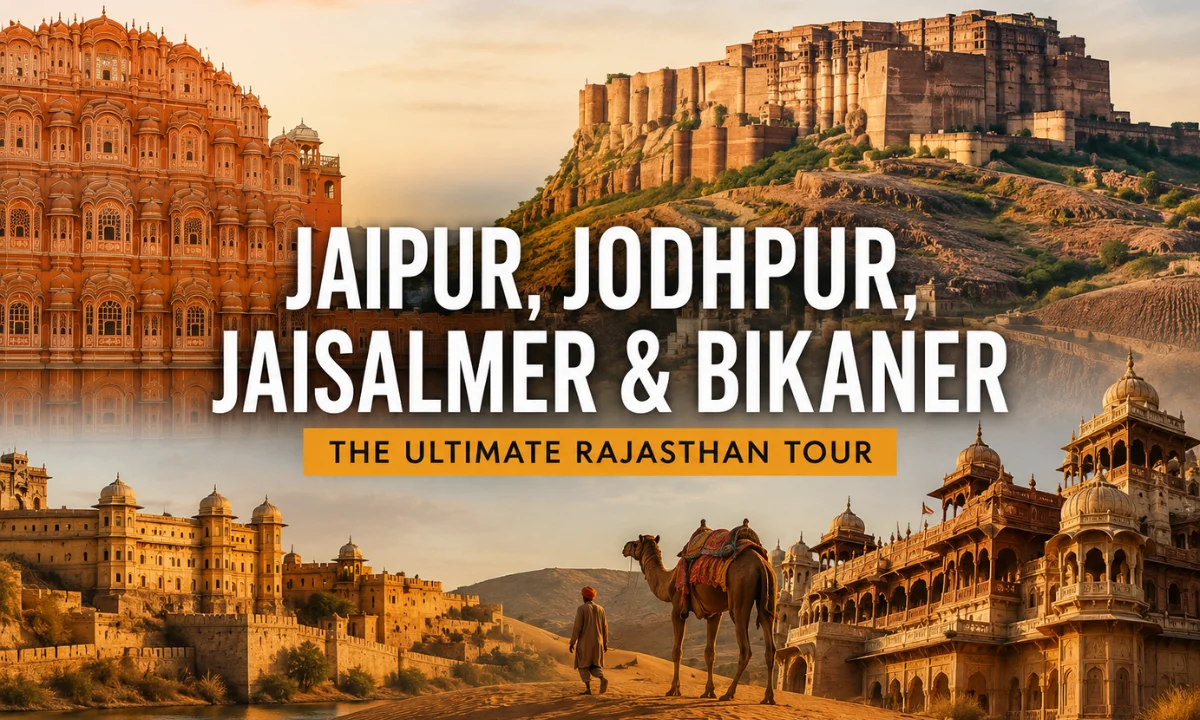
Also Read: Jaipur Jodhpur Jaisalmer Bikaner Tour Itinerary 2026
3) Majuli Island: The World’s Largest River Island
Majuli Island, located in the Brahmaputra River, is the world’s largest river island. Spread over an area of approximately 352 square kilometres, Majuli is not just a geographical wonder but also the cultural cradle of Assam. It has been the epicentre of Vaishnavite culture since the 15th century, when the saint Srimanta Sankardeva founded the first Satras (monasteries) here.
The journey to Majuli begins from the town of Jorhat. From Jorhat, you take a ferry across the Brahmaputra. The ferry ride itself is a memorable experience, offering stunning views of the river and the distant hills.
Satras And Traditional Art Forms
Majuli is home to several Satras, each preserving unique forms of traditional art, music and dance. The most prominent Satras include Auniati Satra, Kamalabari Satra and Dakhinpat Satra. These institutions have kept alive the traditions of Borgeet (devotional songs), Xattriya dance (classical dance form) and mask-making. Summer is a good time to visit as the weather is relatively dry, making it easier to cycle or walk through the island.
Activities For Families And Friends
Cycling is the best way to explore the narrow lanes of Majuli. You can rent a bicycle and ride through the villages, interact with the friendly locals, and visit the potters’ colonies. Majuli is also known for its birdlife, especially during the winter months. However, even in summer, the wetlands and riverbanks attract a variety of resident birds.
The island also offers opportunities for village walks, traditional Assamese meals with local families, and attending evening prayer sessions at the Satras. It is a slow travel destination, ideal for those who want to disconnect from city life and immerse themselves in nature and culture.
4) Assam’s Tea Gardens: A Serene Summer Escape
Assam is synonymous with tea, and visiting the lush tea gardens is a quintessential summer activity. The districts of Jorhat and Dibrugarh in Upper Assam are home to some of the most famous tea estates in the world.
Jorhat is often called the tea capital of India. It is a bustling town with easy access to several heritage tea estates. The tea gardens surrounding Jorhat are historic and productive, offering guided tours that provide insights into Assam’s tea cultivation and processing. Many estates also offer tea tastings showcasing regional varieties.
Dibrugarh, located further east, is another major tea-growing region. The drive from Jorhat to Dibrugarh passes through endless stretches of manicured tea bushes, creating a mesmerising green landscape that is soothing to the eyes.
Monabarie Tea Estate, located in the Biswanath district, is one of the largest tea gardens in Asia, spanning over 1,300 hectares.
Staying In Heritage Tea Bungalows
For a truly memorable experience, consider staying in one of the heritage tea bungalows. These British-era bungalows have been restored and converted into boutique hotels, offering colonial-era charm combined with modern amenities. Surrounded by lush tea plantations, these properties provide the perfect getaway for families and groups. Activities include plantation walks, tea plucking sessions, visits to the tea factory, and birdwatching.
Summer is the active harvest period, so you can witness the tea pluckers in action and see the processing of tea leaves in the factory. The temperature in the tea gardens is generally a few degrees cooler than in the cities, thanks to the shade provided by the tall trees that dot the estates.
5) Haflong: Assam’s Only Hill Station
If the summer heat becomes too much, head to Haflong, the only hill station in Assam. Situated at an altitude of approximately 966 metres (3,188 feet), Haflong enjoys a pleasant climate even during the summer months, with temperatures rarely exceeding 30°C.
Haflong is the headquarters of the Dima Hasao district, a region known for its rugged terrain, rolling hills and crystal-clear streams. The town is often called the Switzerland of the Northeast for its scenic beauty.
Jatinga Bird Watching
Located near Haflong, the village of Jatinga is famous for a unique phenomenon. On moonless, foggy nights between August and November, migratory birds are disoriented by the weather conditions and fly towards the village lights, leading to their death.
While the phenomenon has been scientifically explained and is no longer shrouded in mystery, Jatinga continues to attract curious travellers. A watchtower has been constructed for tourists to observe this rare event. During summer, you can enjoy the scenic landscape of the village and the surrounding hills.
Lakes And Waterfalls
Jatinga also has a watchtower that provides panoramic views of the valley. Haflong Lake is an artificial lake in the centre of the town, perfect for a leisurely boat ride. The lake is surrounded by lush greenery and offers a peaceful setting for picnics.
For those seeking more adventure, the district is dotted with waterfalls like Panimur Falls, where the Kopili River cascades over a rocky bed. The journey to these falls involves scenic drives through forests and hills, making it a treat for nature lovers.
6) Pobitora Wildlife Sanctuary: A Hidden Gem Near Guwahati
If you are short on time and cannot make the journey to Kaziranga, Pobitora Wildlife Sanctuary is an excellent alternative. Located just 55 km from Guwahati, Pobitora can be visited as a day trip or an overnight stay. The sanctuary has one of the highest densities of one-horned rhinoceros in the world, guaranteeing near-certain sightings.
Safari Options For Families
Pobitora offers both jeep safaris and elephant safaris. The core grassland area is accessible by jeep, which is suitable for families with young children. Elephant safaris offer a slow-paced, immersive view of the wildlife and are particularly good for photography. The park also has a watchtower from which you can see rhinos, wild buffalos and a variety of water birds.
Some resorts in the area also arrange visits to the nearby villages of Mayong and Bura Mayong, known as the “land of black magic”. These village walks offer a glimpse into the local tribal culture. A boat safari on the Brahmaputra from Pobitora is another option, offering opportunities to see river dolphins and other water animals.
7) Manas National Park: A UNESCO Wilderness
For families who want a less crowded wildlife experience than Kaziranga, Manas National Park is a wonderful choice. Located about 176 km from Guwahati, Manas is a UNESCO World Heritage Site that straddles the India-Bhutan border. The park is known for its breathtaking landscapes of hills, grasslands and riverine forests.
Summer is considered a good time to visit Manas if your primary focus is to spot wild animals. As the water sources dry up, animals gather around the river and watering holes, making them easier to spot. The park is home to a variety of rare and endangered species, including the golden langur, hispid hare, pygmy hog, and Assam roofed turtle. It is also a Project Tiger reserve.
Manas offers both jeep safaris and elephant safaris. The Bansbari range is the most accessible for day visits. For families, the park is best explored over a two-day visit, staying at one of the eco-resorts located just outside the park boundary. Activities include river rafting on the Manas River and visits to nearby tribal villages.
8) Sivasagar: The Heart Of Ahom Heritage
For families interested in history and architecture, Sivasagar is an essential stop. Located about 365 km from Guwahati, Sivasagar was the capital of the powerful Ahom dynasty, which ruled Assam for nearly 600 years. The town is dotted with impressive monuments that showcase the engineering and artistic skills of the Ahom period.
- Rang Ghar is one of the most iconic structures in Assam. Built in the 18th century, it is considered to be Asia’s first amphitheatre. The two-storey octagonal structure was used by the Ahom kings to watch games and cultural performances. The unique architecture, using a special blend of materials including jaggery, black gram and elephant grass, is a marvel in itself.
- Talatal Ghar is another massive structure, serving as an underground palace and military base. It has several secret tunnels and chambers spread over three floors below ground level. The sheer scale of the construction is awe-inspiring.
- Sivasagar Tank, also known as Joysagar Tank, is a massive man-made lake built in 1734. On its banks stand three prominent temples dedicated to Shiva, Vishnu and Devi. The tank is surrounded by lush gardens, making it an ideal spot for a family picnic.
- Charaideo Maidams, located about 28 km from Sivasagar, are the burial mounds of Ahom kings and queens. Often compared to the pyramids of Egypt, these 42 mounds are considered sacred by the local Tai-Ahom community. The site is serene and offers beautiful views of the surrounding tea gardens.
9) Jatinga: The Bird Mystery Village
As mentioned above Jatinga is a small village near Haflong. It gained international attention for the mysterious phenomenon of birds “committing suicide” during moonless nights in the autumn months. Scientific studies have since explained this behaviour: disoriented by dense fog, strong winds and the lights of the village, the birds fly down towards the lights, resulting in fatal collisions.
During summer, Jatinga is a quiet, scenic village with panoramic views of the Borail hills. Even if you do not visit during the bird season, the journey to Jatinga offers stunning views of the landscape, and the watchtower provides a great spot for photography.
Best Summer Itinerary For 7-8 Days
- Day 1: Arrive in Guwahati. Visit Kamakhya Temple in the morning. In the afternoon, explore the Assam State Zoo. Take a sunset cruise on the Brahmaputra River. Overnight in Guwahati.
- Day 2: Drive to Kaziranga National Park (approx. 4 hours). Check in to a resort near Kohora. Take an evening village walk or visit the Kaziranga Orchid and Biodiversity Park.
- Day 3: Early morning elephant or jeep safari in Kaziranga. Return for breakfast. Afternoon visit to the nearby tea gardens. Overnight in Kaziranga.
- Day 4: Drive to Jorhat (approx. 3 hours). Visit a heritage tea estate and factory. Take a sunset walk through the tea gardens. Overnight in a tea bungalow.
- Day 5: Morning ferry to Majuli Island (approx. 1 hour). Explore the Satras, visit the mask-making workshops, and cycle through the villages. Overnight in a heritage homestay on Majuli.
- Day 6: Return to Jorhat by morning ferry. Drive to Sivasagar (approx. 2 hours). Explore Rang Ghar, Talatal Ghar and Sivasagar Tank. Overnight in Sivasagar.
- Day 7: Drive back to Guwahati (approx. 6 hours). Stop for lunch at a highway dhaba. Evening free for souvenir shopping at Fancy Bazaar. Overnight in Guwahati.
- Day 8: Depart from Guwahati.
For families with young children or those who prefer a slower pace, consider focusing only on Guwahati, Kaziranga and Jorhat. Pobitora can be visited as a day trip from Guwahati, making it easy to include in a shorter itinerary.
Summer Travel Tips For Assam
Staying Safe And Comfortable
- Hydration is essential. Always carry bottled water and drink plenty of fluids throughout the day.
- Wear light, breathable clothing made of cotton or linen. Dark colours are better at hiding sweat marks. A hat and sunglasses are essential for daytime sightseeing.
- Carry rain gear. Pre-monsoon showers are common in May and June. A compact umbrella or a light rain jacket will be useful.
- Apply insect repellent. The hot and humid climate is favourable for mosquitoes. Use a good mosquito repellent, especially during early morning and evening.
- Follow park rules during wildlife safaris. Stay inside the vehicle, do not speak loudly, and never attempt to feed or approach animals.
- Check road conditions before long drives. Summer rains can sometimes cause landslides in the hilly areas. Consult local sources or your hotel before travelling to Haflong or Manas.
- Book accommodation and safaris in advance. Summer is still a popular season, especially for Kaziranga and Majuli. Advance booking ensures availability and better rates.
Eating Your Way Through Assam
A Foodie’s Guide For Summer
Assamese cuisine is known for its subtle flavours, use of fresh herbs and emphasis on rice and fish. Summer brings unique dishes that are specifically designed to cool the body.
- Poita Bhat is a staple summer breakfast. Leftover rice is soaked in water overnight, allowing it to ferment gently. It is then served with mustard oil, chopped onions, green chillies, and roasted potatoes or fish. This dish is hydrating and cooling, perfect for a humid morning.
- Masor Tenga is a sour fish curry made with tomatoes, lemon, or thekera (dried mangosteen). The sourness is incredibly refreshing, making this a favourite summer meal.
- Kharoli is a traditional Assamese mustard-based pickle. It has a sharp, tangy flavour that pairs exceptionally well with plain rice.
- Aloo Pitika is the Assamese version of mashed potatoes, mixed with mustard oil, onions and green chillies. It is simple yet delicious.
Where to eat in Guwahati: For an authentic Assamese thali, head to Paradise Restaurant or Michinga. For street food, the stalls near Uzan Bazaar offer local snacks.
Quick Summary For Summer Planning
| Destination | Best For | Suggested Duration | Distance From Guwahati | Summer Highlights |
|---|---|---|---|---|
| Guwahati | City exploration, culture, river cruise | 1-2 days | 0 km (base city) | Kamakhya Temple, Umananda Island, sunset cruise |
| Kaziranga | Wildlife safari, one-horned rhino | 2-3 days | 165 km | Jeep/elephant safari, birdwatching |
| Majuli Island | Culture, monasteries, cycling | 2 days | 330 km | Satras, mask-making, village walks |
| Jorhat/Dibrugarh | Tea gardens, heritage bungalows | 2 days | 320 km | Tea estate tours, plantation walks |
| Haflong | Hill station, scenic views, Jatinga | 2 days | 330 km | Cool climate, lake boat ride, Jatinga watchtower |
| Pobitora | Quick rhino safari, village visits | 1 day | 55 km | Sure-shot rhino sightings, Mayong village |
| Manas National Park | Offbeat wildlife, golden langur | 2 days | 176 km | Less crowded safaris, river rafting |
| Sivasagar | Ahom history, medieval architecture | 1 day | 365 km | Rang Ghar, Talatal Ghar, Charaideo Maidams |
Assam in summer offers a rich tapestry of experiences for every type of traveller. Whether you are spotting a rhino at dawn in Kaziranga, watching the sunset from a Brahmaputra cruise, exploring a centuries-old Satra on Majuli island, or relaxing in the cool hills of Haflong, the state promises memories that will last a lifetime.
With careful planning, adequate hydration and a spirit of adventure, your summer family trip to Assam in 2026 will be nothing short of magical. Start planning early, book your safaris and ferry tickets in advance, and get ready to explore the lush, vibrant and welcoming land of Assam.


Categories
- Domestic 33
- News 9
- Info 8
- Budget Travel 5
- popular 5
- International 3
- Upcoming 1
Share This Post