Best Solo Travel Destinations For Women In India 2026: Safe Places, Budget Tips & Everything You Need To Know
 Santosh Balgir
Info
Santosh Balgir
Info
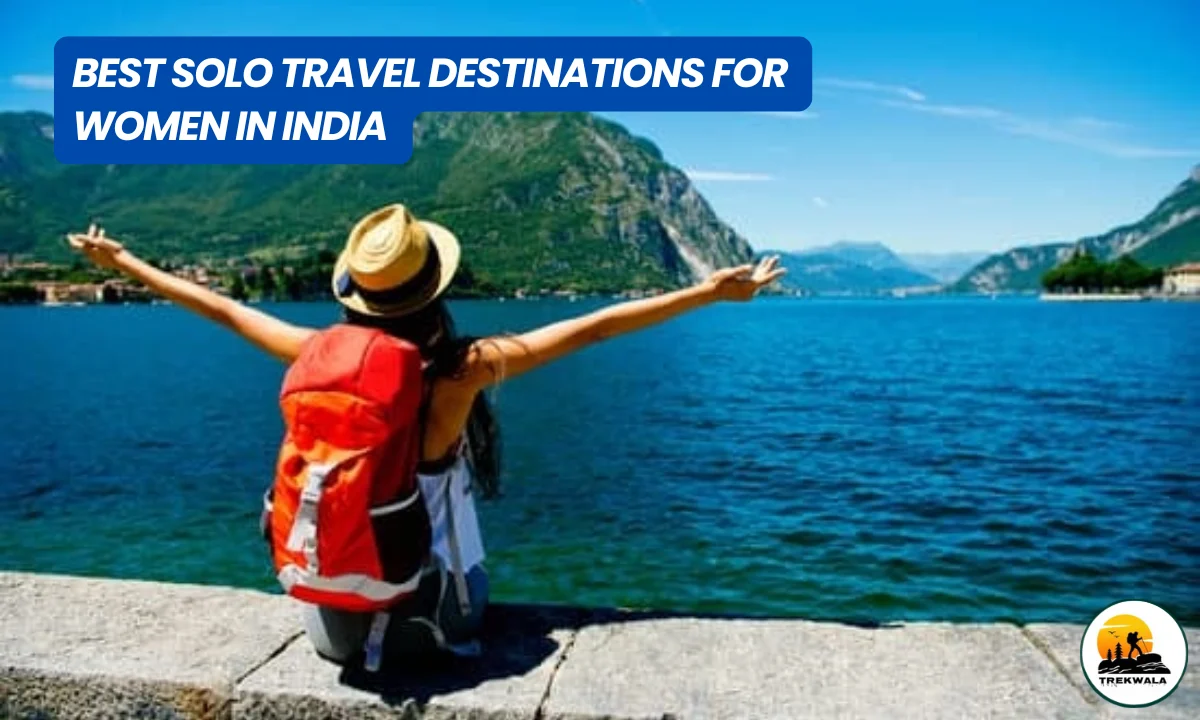
Best Solo Travel Destinations For Women In India 2026: Safe Places, Budget Tips & Everything You Need To Know | Representative Image
Something has changed in India’s travel scene. More women are packing their bags alone and heading out without waiting for anyone. Solo female travel in India is no longer a rare thing. It is a movement.
In 2026, the number of solo women travelers exploring India has grown significantly. Social media feeds are full of women sharing their experiences from Rishikesh hostels, Kerala houseboats, Manali cafes, and Pondicherry streets. The conversations have shifted from “is it safe?” to “where should I go first?”
But the question of safety is still real and valid. Not every destination in India feels equally comfortable for a woman traveling alone. Some cities are chaotic and overwhelming. Some places have very little tourism infrastructure. And some places are simply not worth the stress for a first trip.
This article is built around that reality. These are not just tourist recommendations. These are destinations that real women travelers consistently praise for safety, comfort, accessibility, and the kind of energy that makes solo travel actually enjoyable. Whether you are planning your first trip or your fifth, this article will help you choose wisely, plan smart, and travel well.
Why Solo Female Travel In India Is Different From Other Countries
India is massive, diverse, and complex. What works in one state may not work in another. A woman who has a great experience in Kerala might feel very different about a solo trip to certain parts of North India. This is the reality that most generic travel lists ignore.
Safety for solo female travelers in India is not just about crime statistics. It is about how visible you are as a tourist, how locals interact with you, how easy it is to get around, and how strong the traveler community is in that area. Places with strong backpacker cultures tend to feel safer because there are always other travelers around and local businesses are used to treating tourists well.
The destinations in this guide score high on all of these factors. They have reliable transport, well-reviewed accommodations, active solo traveler communities, and a general culture of respecting tourists.
The Best Solo Travel Destinations For Women In India
1. Rishikesh: The Most Recommended Solo Destination
If you ask any solo female traveler in India where to start, at least half of them will say Rishikesh. And for good reason.
Rishikesh has a unique energy. It is a yoga and wellness hub on the banks of the Ganges in Uttarakhand. The town attracts a huge mix of Indian and international travelers year round which creates a very inclusive and safe atmosphere. When there are foreign women travelers walking around comfortably, it automatically creates a more relaxed environment for everyone.
What makes Rishikesh special for solo women is the combination of things to do and the ease of doing them alone. You can join a yoga class and meet fellow travelers. You can sit at a riverside cafe for hours with a book and nobody bothers you. You can do a bungee jump or white water rafting and find a group to join. The whole town is built around solo and small group experiences.
Accommodation is easy. Hostels with private rooms, yoga ashrams, and budget guesthouses are all available. The Lakshman Jhula and Ram Jhula areas have the most activity. Cafe culture is strong here. Wifi is everywhere. It checks every single box for a solo trip.
Best time to visit: October to March for pleasant weather. Avoid July to September during peak monsoon.
Average daily budget: ₹800 to ₹1,500 including stay, meals, and one activity.
2. Kerala: The Most Beginner-Friendly State
Kerala consistently tops safety rankings for solo female travelers in India. It is not one city but an entire state that feels welcoming and well-organized for tourists.
The reasons are straightforward. Kerala has high literacy rates, strong tourism infrastructure, and a culture that is generally respectful toward women and tourists. The police presence in tourist areas is visible. Public transport is reliable. English is widely spoken.
The backwaters of Alleppey are one of the most popular experiences in India and doing a houseboat stay alone is genuinely beautiful. You are on a private houseboat with a crew and you cruise through calm green waterways. It is meditative and peaceful in a way that few travel experiences anywhere in the world can match.
Kochi has a fantastic food scene, historic Fort Kochi area, and art galleries. Munnar gives you tea estate views and cool hill station weather. Varkala has cliffs overlooking the sea with small cafes and a chilled backpacker crowd. Trivandrum has good connectivity and cultural sites.
If you have never done solo travel before and you feel nervous about starting, Kerala is the place to begin. It is gentle, organized, and rewarding.
Best time to visit: October to February. Avoid June and July during heavy monsoon.
Average daily budget: ₹1,000 to ₹2,000.
3. Pondicherry: Clean, Calm and Perfect For Solo Travel
Pondicherry is underrated as a solo female destination and that is exactly what makes it special. It is small enough to explore without stress and beautiful enough to keep you engaged for 3 to 5 days.
The French Quarter is unlike anything else in India. Clean streets lined with bougainvillea, yellow and white colonial buildings, small boutique cafes, and a seafront promenade that is lovely in the early morning. The whole town has a European pace which means nobody is rushing anywhere and you rarely feel harassed or followed.
Auroville, the experimental township near Pondicherry, is worth a half day trip. It has a community of people from around the world and its values around peace and harmony make it a very comfortable space.
The Tamil Quarter of Pondicherry has beautiful temples, local markets, and authentic South Indian food. The contrast between the French Quarter and the Tamil Quarter within the same small town is fascinating.
Accommodation is excellent here. From beachside hostels to boutique heritage hotels, there is something for every budget. The traveler community is active and it is very easy to meet other solo travelers.
Best time to visit: November to February. October also works after the monsoon clears.
Average daily budget: ₹1,200 to ₹2,000.
4. Manali and McLeod Ganj: Mountains and Backpacker Energy
The Himachal Pradesh hill stations have been attracting solo travelers for decades and they remain among the best destinations in India for women traveling alone.
Manali has a strong backpacker culture. Old Manali area is full of small cafes, wooden guesthouses, and a very relaxed vibe. People come here to trek, do adventure sports, or simply sit in a cafe and read while watching the mountains. The crowd is a mix of domestic and international travelers and the overall atmosphere is friendly and non-threatening.
The nearby Solang Valley for snow activities, Rohtang Pass for mountain views, and Hadimba Temple for a peaceful morning are all easy day trips from the town.
McLeod Ganj is the home of the Tibetan government in exile near Dharamshala. It has a completely different feel from Manali. Buddhist monasteries, Tibetan cafes, stunning views of the Dhauladhar range, and a very calm and meditative energy. The Tibetan community is extremely welcoming toward tourists. Many solo women travelers say McLeod Ganj is one of the most peaceful places they have visited anywhere.
Best time to visit: April to June and September to November. Manali in winter is possible but requires more preparation.
Average daily budget: ₹1,000 to ₹1,800.
5. Goa: Freedom, Beaches & Solo Travel On Your Terms
Goa has a complicated reputation for solo female travelers. The beach party image can be off-putting and there have been incidents in certain areas. But Goa is much more than that image and when you know which parts to focus on, it is actually a great solo destination.
North Goa beaches like Baga and Calangute are loud and crowded. South Goa beaches like Palolem and Agonda are calm, clean, and perfect for solo travelers. Palolem in particular has a beautiful bay, easy beach shacks for budget stays, and a traveler community that is friendly without being overwhelming.
Beyond beaches, Goa has Portuguese heritage churches, spice plantations, local markets, and fantastic seafood. Renting a scooter gives you the freedom to explore at your own pace which is one of the best things about solo travel in Goa.
Panaji, the capital, has a charming old quarter called Fontainhas with colorful Portuguese houses and small cafes. It is safe, walkable, and beautiful.
Best time to visit: November to February for peak season. October is good too before the crowds arrive. Avoid heavy monsoon from June to September.
Average daily budget: ₹1,500 to ₹2,500.
6. Udaipur: Royal, Safe and Scenic
Udaipur is consistently rated one of the safest cities in Rajasthan for solo female travelers and it is easy to see why. The city built around Lake Pichola has a very different feel from the more tourist-heavy Jaipur or the chaotic streets of some other Rajasthani cities.
The old city is walkable, photogenic, and full of rooftop restaurants with lake views. The Jagdish Temple area and the lanes around the City Palace have a pleasant atmosphere for solo exploration. Boat rides on Lake Pichola are beautiful especially at sunset.
Udaipur also has a good number of women-run guesthouses and boutique stays which are very popular among solo female travelers for the additional sense of comfort they provide.
Best time to visit: October to March. Average daily budget: ₹1,200 to ₹2,200.
7. Emerging Destinations Worth Considering
Meghalaya: This northeastern state has a matrilineal culture where women hold significant social power. That social structure directly impacts how female travelers are treated. Shillong, Cherrapunji, and the living root bridges of Mawlynnong are extraordinary. The state is lush, green, and culturally fascinating. Safety ratings from solo female travelers are consistently very positive.
Sikkim: Tiny, clean, well-governed and beautiful. Gangtok is a very walkable and safe town. Pelling and Lachung offer stunning mountain views. The state has strict tourism policies that keep the environment and infrastructure in good shape.
Spiti Valley: For more adventurous solo women. Remote, high altitude, and incredibly beautiful. The Buddhist monasteries, white desert landscapes, and village homestays create a unique experience. The remoteness requires more preparation but the reward is extraordinary.
Budget Breakdown: Solo Female Travel In India
| Destination | Average Daily Budget | Highlights |
|---|---|---|
| Rishikesh | ₹800 to ₹1,500 | Hostels, yoga, riverside cafes |
| Hampi | ₹700 to ₹1,200 | Budget backpacker stays |
| McLeod Ganj | ₹1,000 to ₹1,800 | Affordable Tibetan cafes and guesthouses |
| Pondicherry | ₹1,200 to ₹2,000 | Boutique budget hotels and local food |
| Goa (South) | ₹1,500 to ₹2,500 | Beach shacks and scooter rental |
| Kerala | ₹1,000 to ₹2,000 | Guesthouses and local meals |
| Udaipur | ₹1,200 to ₹2,200 | Heritage guesthouses and rooftop meals |
Budget travel is very achievable in India. Staying in hostels or small guesthouses, eating at local restaurants, using public transport or shared cabs, and booking activities in advance can cut costs significantly. The most expensive thing in India is usually impulse spending on tourist traps which you avoid naturally when you plan ahead.
Best Month By Month Guide For Solo Female Travel
- October to November: Best overall window. Weather is pleasant almost everywhere. Rishikesh, Goa, Kerala, Udaipur all work beautifully. Not too crowded yet.
- December to January: Peak season in South India and Rajasthan. Kerala, Pondicherry, Goa, and Udaipur are all excellent. Slightly more expensive but also most comfortable.
- February to March: Wonderful for hill stations beginning to open up. Hampi, Pondicherry, and Kerala are fantastic. Holi in March adds a fun cultural element.
- April to June: Best for Himachal Pradesh. Manali, McLeod Ganj, and Spiti Valley all shine before monsoon. South India gets very hot so avoid.
- July to September: Monsoon season. Kerala and Meghalaya are beautiful in monsoon if you do not mind rain. Most other destinations are less ideal.
Safety Tips That Actually Make A Difference
These are not generic tips. These are things that experienced solo women travelers consistently say make a real difference.
- Stay in well-reviewed accommodations. Read recent reviews specifically from solo female travelers on platforms like Hostelworld, Booking.com, or Airbnb. Their experiences are most relevant to yours.
- Use app-based transport. Uber, Ola, and Rapido are far safer than random auto or cab stops. You have the driver’s details, the ride is tracked, and there is a record of your journey. Use this especially at night.
- Trust your gut above everything else. If a situation or person feels uncomfortable, walk away immediately without explanation. You do not owe anyone your time or energy.
- Dress contextually, not restrictively. You do not have to dress in a way that feels uncomfortable to you. But in conservative areas like rural Rajasthan or temple towns, dressing more modestly often creates a smoother experience. This is not about blame, it is about reducing friction.
- Keep your itinerary shared with someone. A family member, close friend, or even your hostel’s front desk. Someone should know where you are going and when you expect to check in next.
- Keep emergency numbers saved. Women’s helpline 1091, police 100, and your accommodation’s number should always be accessible.
- Avoid oversharing personal details. Being friendly with fellow travelers is great. But avoid sharing your room number, your travel schedule for the next few days, or personal details with people you have just met.
What Makes A Destination Truly Solo Female Friendly
Based on consistent feedback from women travelers, here is what actually defines a safe and enjoyable solo female destination:
Visible tourism infrastructure where locals are used to dealing with travelers. A strong traveler community where you can easily connect with others. Reliable transport options so you are never stranded. Accommodation options that cater to solo travelers including hostels with social spaces. A general cultural attitude of respect toward women and tourists. Easy connectivity for when you need help or want to contact someone.
Destinations like Rishikesh, Kerala, and Pondicherry score very high on all of these. Emerging destinations like Meghalaya and Sikkim are quickly building this infrastructure too.
How To Plan Your First Solo Trip
If you have never traveled alone before, start small. A 3 to 4 day trip to Pondicherry or Rishikesh is ideal. These destinations are compact, safe, well-connected, and have a very welcoming solo traveler community.
Book your first night’s accommodation before you leave. You do not need to plan every day, but knowing you have a bed waiting when you arrive removes a lot of anxiety. Pack light. A 20-litre backpack is enough for most 5 to 7 day trips. Heavy bags create unnecessary stress and slow you down.
Give yourself permission to stay longer somewhere than planned or to skip something that does not feel right. Solo travel is about your experience, not about following a schedule.
The most important thing is to start. Every solo female traveler you admire was once terrified before her first solo trip. The confidence comes from doing it, not from planning it.
My Final Thoughts
Solo female travel in India is not about being fearless. It is about being prepared, aware, and choosing your destinations wisely. The country has extraordinary things to offer, from the spiritual energy of Rishikesh to the calm waters of Kerala to the mountain peace of McLeod Ganj.
The women who travel solo in India and love it are not special or unusually brave. They planned well, chose smart destinations, stayed aware, and trusted themselves. You can do exactly the same. Start with one trip. Then let India show you everything it has.

Categories
- Domestic 33
- News 9
- Info 8
- Budget Travel 5
- popular 5
- International 3
- Upcoming 1
Share This Post